

Introduction
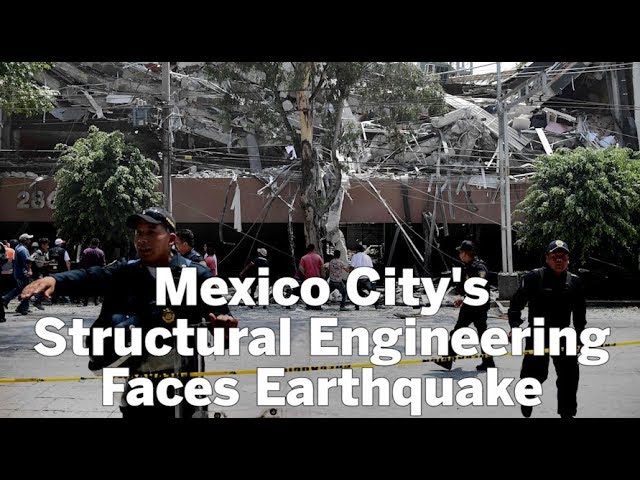
In recent years, Mexico City has experienced a significant increase in new construction projects as the city continues to grow and develop. However, the region is also known for its high seismic activity, making it crucial for new buildings to adhere to strict earthquake codes. In this article, we will explore the impact of earthquake codes on new construction in Mexico City and how these regulations have shaped the citys skyline.
The Importance of Earthquake Codes
Earthquake codes are regulations put in place to ensure that buildings are constructed to withstand the impact of seismic activity. In Mexico City, these codes are especially important due to the citys location on the Ring of Fire, a highly active seismic zone. Adhering to earthquake codes is not only a matter of compliance but also a matter of safety for the residents of the city.
Historical Context
Mexico City has a long history of devastating earthquakes, with the most notable being the 1985 earthquake that caused widespread destruction and loss of life. In the aftermath of this tragedy, the government implemented stricter earthquake codes to prevent similar disasters in the future. These codes have since been updated and reinforced to ensure that new constructions are resilient to seismic activity.
Impact on Construction Practices
The impact of earthquake codes on new construction in Mexico City is profound. Builders and developers must follow specific guidelines when designing and constructing buildings to ensure they can withstand earthquakes. This includes using reinforced materials, implementing structural design elements that absorb seismic energy, and conducting thorough risk assessments before construction begins.
Architectural Design
Architects in Mexico City have had to adapt their designs to meet earthquake code requirements. This has led to the incorporation of seismic-resistant features such as flexible foundations, reinforced concrete walls, and damping systems that reduce the impact of seismic waves on buildings. While these requirements may add to the cost of construction, they are essential for the safety and longevity of the structures.
Construction Costs
Adhering to earthquake codes can significantly impact the cost of construction in Mexico City. Builders must invest in high-quality materials and specialized construction techniques to meet the stringent requirements. While this may increase initial construction costs, the long-term benefits of having a structurally sound building that can withstand earthquakes far outweigh the initial investment.
Regulatory Oversight
Government agencies in Mexico City play a crucial role in ensuring that new constructions comply with earthquake codes. Building permits are only issued after a thorough review of the construction plans to confirm that they meet the necessary seismic requirements. Inspections are also carried out during and after construction to verify compliance with the codes.
Enforcement Challenges
Despite the strict regulations in place, there are challenges in enforcing earthquake codes in Mexico City. Corruption and lack of oversight have been cited as issues that can compromise the safety of new constructions. To address these challenges, there have been calls for increased transparency and accountability in the construction industry.
Future Outlook
As Mexico City continues to grow and urbanize, the impact of earthquake codes on new construction will remain a critical consideration. It is essential for builders, developers, and government agencies to work together to ensure that buildings are resilient to seismic activity and that the safety of residents is prioritized.
Sustainability and Resilience
Incorporating sustainable and resilient practices in construction can further enhance the impact of earthquake codes. Green building technologies, such as energy-efficient designs and materials, can not only reduce the environmental impact of construction but also contribute to the overall resilience of buildings in the face of natural disasters.
Community Engagement
Engaging with local communities and residents is also crucial in ensuring that new constructions meet the needs and expectations of the people living in Mexico City. Public awareness campaigns about the importance of earthquake codes and community participation in the planning process can help foster a sense of ownership and responsibility for the citys development.
Conclusion
The impact of earthquake codes on new construction in Mexico City is a complex and multifaceted issue that requires collaboration and commitment from various stakeholders. By prioritizing safety, sustainability, and resilience in construction practices, Mexico City can continue to grow and thrive in a seismic zone while minimizing the risk of catastrophic events.